
Water goes down the wall instead of the drain
A gutter out of fall, blocked, or pulled away from its brackets overflows at the low point every time it rains hard, running straight down the brickwork and into the damp course or foundations below.
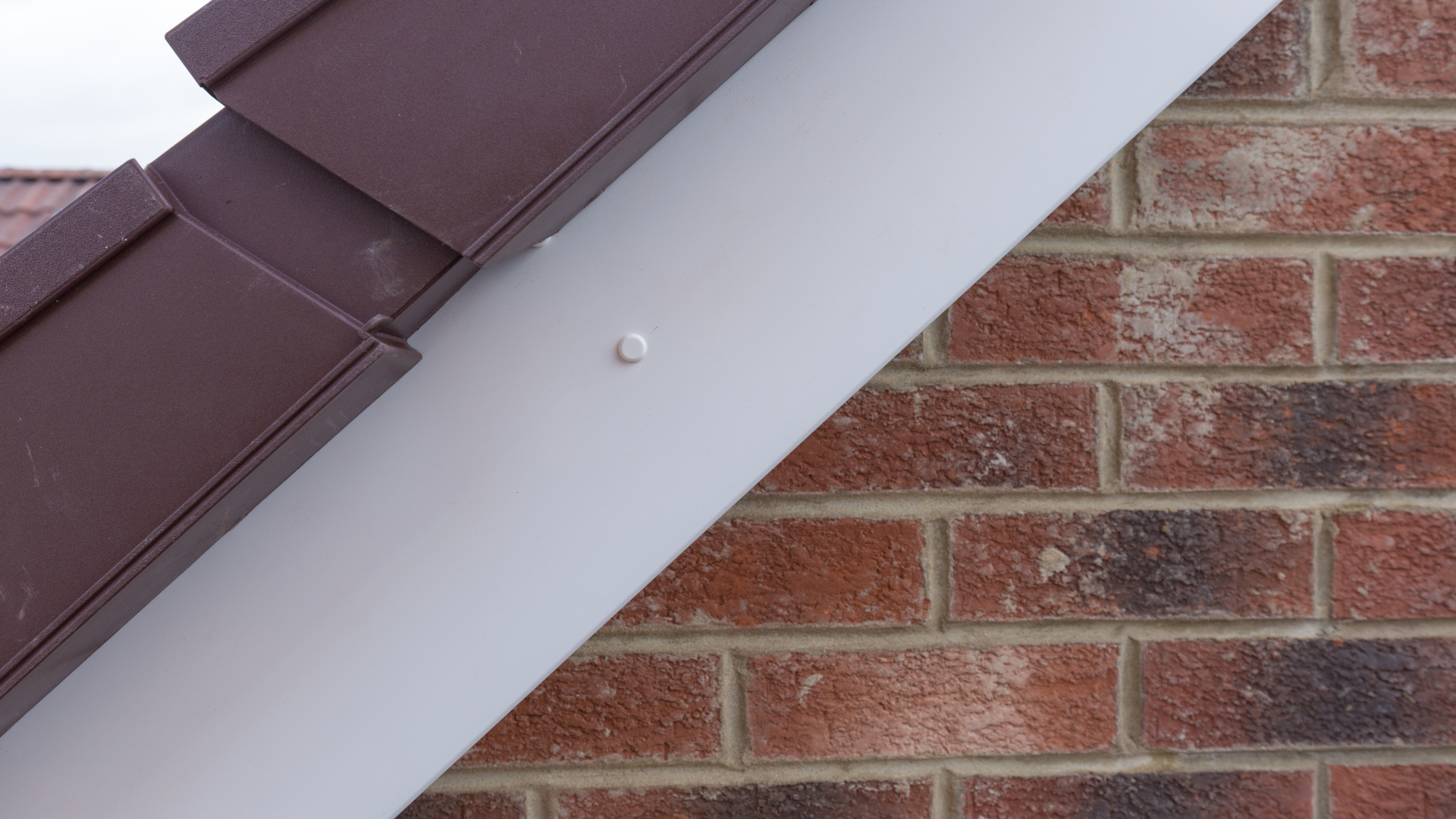
Fascias, soffits and guttering carry water away from the roof and protect the timber underneath it. Get the fall, the joints and the material wrong and the water goes into the wall instead of the drain. We fit them to run true and last.
Traditional materials specialists · Photographic report on every inspection · Fixed-price quotes, never a day rate
15+ years
Experience, with 30+ combined years across the team
£2 million
Public liability insurance cover
10-year guarantee
Workmanship guarantee on re-roofs, new roofs and major works
Fixed price
Quoted work only, never a day rate
Photo report
Photographic evidence with every inspection
Service overview
The roofline is the boundary between the roof and the wall: fascia boards close the end of the rafters and carry the gutter, soffits close the underside of the eaves and ventilate the roof space, and guttering and downpipes collect rainwater off the roof and take it to ground or drain. Individually small components, but between them they do most of the work of keeping water off the walls and out of the roof timbers.
Failure here rarely announces itself as a roof problem. A sagging gutter drips down the wall and gets blamed on rising damp. A rotten soffit lets birds and damp into the loft and gets noticed as a draught. A fascia that has pulled away from the rafter ends lets the gutter it carries tip out of fall, so water runs the wrong way and overflows at the low point instead of the outlet. Most of what we are called out for on the roofline is one of these three problems, usually further along than it first appears from the ground.
We repair or replace to match what the building needs rather than defaulting to one material. uPVC is right for many modern and mid-century properties; timber fascia and soffit, and cast-iron or aluminium rainwater goods, are often the correct and sometimes the required choice on period and listed buildings, where the wrong replacement material can look wrong for decades. Every job is inspected, photographed and quoted at a fixed price before any work starts.
The cost of leaving it
Fascia, soffit and guttering problems are structural problems in slow motion. Left alone, they stop protecting the timber and walls they were fitted to protect, and the damage moves from the roofline into the building itself.
A gutter out of fall, blocked, or pulled away from its brackets overflows at the low point every time it rains hard, running straight down the brickwork and into the damp course or foundations below.
Fascia boards carry the weight of a full gutter. Once the timber softens, brackets pull loose and the whole run can sag or come away, turning a board replacement into a full gutter refit.
A gap or hole in a soffit is an open invitation to birds, wasps and damp air into the roof void, and once pests are established the loft, insulation and timber are all exposed to more than just water.
Fascia and soffit work is also ventilation work. Blocked or missing eaves vents trap moist air in the roof space, leading to condensation on the underside of the roof covering and, over time, mould and timber decay that has nothing to do with rain at all.
Original cast-iron guttering on period properties can be repaired and repainted for decades, but once rust has eaten through a section, that piece is gone, and finding a matching replacement profile becomes harder the longer it is left.
Our process
We inspect the fascia, soffit and guttering run from proper roof access, checking fall, joints, brackets, ventilation and the condition of the timber or material behind the gutter line. Free in most cases; jobs needing special access to inspect safely may differ and we tell you before we attend.
We photograph rot, corrosion, incorrect fall and any damage to the wall or roof space caused by water getting past the roofline, so you can see the actual condition rather than take our word for it.
One figure covering materials, fixings and labour, whether that is a section repair, a full run replacement, or a change of material. No day rates, and the choice between uPVC, timber and cast iron or aluminium explained so you can decide with the facts.
Fascia and soffit removed and replaced or repaired as needed, guttering refitted to a correct fall with brackets at proper spacing, downpipes reset, and eaves ventilation checked and corrected where it has been blocked or omitted.
We test the run with water to confirm correct fall and check every joint and outlet before we leave, then walk the finished work with you with photographs of the completed job. Major roofline replacement carries our 10-year workmanship guarantee; smaller repairs are confirmed in writing for your specific job.
What you get
Correct fall and secure joints mean rainwater reaches the downpipe and the drain instead of the wall, protecting brickwork and foundations from years of unnoticed staining and damp.
Sound fascia and ventilated soffits keep rain and damp air out of the rafter ends and roof void, protecting the structure you don't see.
uPVC where it suits the property, timber and cast iron or aluminium where a period or listed building calls for it, so the roofline looks right, not just functions.
Whether it's a single bracket or a full run, the cost is agreed before work starts, based on the actual inspection rather than a guess.
A roofline refitted with correct fall and sound fixings is far less likely to fail suddenly in a storm than one running on borrowed time.
Every run is tested with water and inspected joint by joint before sign-off, under £2 million public liability cover, so problems are caught on site, not on the next rainy day.
The detail
The roofline is made up of a handful of components that all have to work together, get the fall, the fixings or the ventilation wrong on any one of them and the whole run underperforms.
uPVC fascia and soffit boards are low-maintenance, resist rot, and suit the majority of modern and mid-century properties without looking out of place. They are fitted over a sound sub-fascia and do not need painting, which makes them the practical choice where the building's character does not demand otherwise.
Timber fascia and soffit are correct, and often required, on period and listed properties, where the profile, moulding and painted finish are part of the building's appearance. Timber needs a maintenance cycle of its own, checking for rot, repainting, but replacing it with uPVC on a building where it does not belong can affect both the look of the property and, on listed buildings, what is permitted.
Original cast-iron guttering and downpipes are durable and repairable for decades when properly maintained and repainted, and on listed and conservation-area properties they are frequently the appropriate or required choice over uPVC. Sections that have corroded through are replaced with matching profiles rather than the whole run being swapped for a different material.
Aluminium is a lighter, low-maintenance alternative that can be finished to resemble traditional profiles, and is sometimes used where cast iron is impractical but a modern plastic profile would look wrong on the building.
Sectional guttering, lengths joined with unions, is the standard uPVC and cast-iron approach, straightforward to repair section by section when one length fails. Seamless aluminium guttering is extruded on site to the exact length of the run, removing the joints that are the most common point of leaks, which suits longer, unbroken elevations.
The right choice depends on the building, the length of run and whether ease of future repair or minimising joints matters more for that particular property.
A gutter only works if it falls correctly toward its outlet: roughly a consistent, gentle drop along the run rather than level or, worse, falling the wrong way. Bracket spacing has to be close enough to stop the gutter sagging under the weight of water and debris, and downpipes need to be sized and positioned so the volume of water the roof sheds actually clears in heavy rain rather than backing up.
Where we find a gutter overflowing that looks intact, it is very often one of these three things: incorrect fall, brackets too far apart, or an undersized or blocked downpipe, rather than a fault with the gutter material itself.
Soffits are not purely cosmetic; they carry the eaves ventilation that lets the roof void breathe. Continuous or circular vents built into the soffit allow air to move through the loft space, which controls condensation on the underside of the roof covering and helps prevent damp-related timber decay that has nothing to do with rain getting in.
Replacing soffits without reinstating or improving this ventilation is a common source of hidden problems, so it is checked and corrected as part of any fascia and soffit work rather than treated as a separate job.
On homes, the roofline is usually a single continuous run at eaves level, sometimes with a lower run over a bay or extension. On commercial and larger residential buildings, multiple runs, parapet gutters and additional outlets need coordinating, often around occupied premises.
On period, listed and conservation-area properties, material and profile choice is part of the specification from the outset, timber over uPVC, cast iron or matching aluminium over standard plastic profiles, so the roofline stays consistent with the character of the building rather than standing out as an obvious modern fix.
Questions
Something not covered here? Call 07711 933023 and ask. We would rather answer it honestly on the phone than have you guess.
It depends on the length of run, the material chosen and the condition found, which is why we inspect before quoting. The price is always fixed and agreed in writing before work starts, never a day rate.
Quotes and inspections are free in most cases. Jobs needing special access to inspect safely may differ, and we tell you that before we attend.
A single-run repair is often completed in a day. Full replacement of fascia, soffit and guttering around a whole property takes longer, and we give you the expected duration with the quote.
uPVC suits most modern and mid-century properties and needs no painting. Timber is correct, and often required, on period and listed buildings where the profile and painted finish matter to the building's character. We advise based on your specific property rather than a default answer.
Yes, cast-iron guttering and downpipes on period properties are repaired with matching profiles where possible, which keeps the appropriate look for listed and conservation-area buildings.
Our 10-year workmanship guarantee applies to major roofline replacement carried out as part of re-roofing or major works. Smaller repairs are confirmed in writing for your specific job.
uPVC fascia, soffit and guttering, correctly fitted with proper fall and fixings, should require little beyond routine clearing for many years. Timber and cast iron need periodic maintenance and repainting as part of their normal lifespan, which we can advise on.
Often, yes, many overflows are caused by incorrect fall, loose brackets or a blocked section rather than failure of the whole run, and we inspect to establish which before quoting a section repair or a full replacement.
Yes, period, listed and conservation-area roofs and roofline work are our specialism, matching timber, cast iron and traditional profiles to what the building requires.
We work from Maidenhead across Berkshire, Buckinghamshire, Surrey, Hampshire and Oxfordshire, including Reading, Windsor, Slough, High Wycombe and Henley-on-Thames. Just outside that? Call and we will tell you honestly whether we can help.
Where we work
Related services
Most roof failures start as a small, visible problem: moss holding water, a gutter running over, a valley silting up; that nobody deals with until it becomes a leak.
A leak is stopped once when the water path is traced properly, and paid for twice when it is patched where the damp shows.
Most roof leaks start at a lead detail, not in open field.
View all services
Next step
Book an inspection and you will get a photographic report of the fascia, soffit and guttering condition and one fixed price for the work needed. Free in most cases, and no obligation to proceed.
151 Larchfield Road, Maidenhead, Berkshire, SL6 2SJ · Mon–Sat, 7am–10pm